Choosing reliable Tarpaulin Sheets is rarely as simple as comparing prices. Buyers must examine fabric weight, coating quality, seam strength, eyelet spacing, and expected weather exposure. A sheet covering a delivery truck faces different demands from one protecting garden furniture. Sunlight can weaken cheap plastic. Wind can tear poorly reinforced corners. Standing water reveals weak coatings quickly.
Dr. Elena Marquez, an industrial textile consultant with more than two decades of field experience, says, “A tarpaulin fails first at its edges, seams, and neglected stress points.” Her observation deserves attention. A thick sheet may still perform poorly when its hems curl or its grommets pull free. Small details matter.
This guide compares ten Tarpaulin Sheets for buyers worldwide, considering practical use rather than advertising claims. It reviews polyethylene, PVC, canvas, mesh, and waterproof laminated options. Each material has strengths, limitations, and a suitable working environment. Some choices are excellent for seasonal storage but unsuitable for continuous outdoor exposure. Others resist abrasion yet feel too heavy for frequent handling.
The perfect sheet does not exist. That is worth remembering.
Buyers should also check dimensions after hemming, not only the listed size. Supplier specifications, test methods, and warranty terms deserve careful review. Regional climate matters too. A humid coastal site may demand different protection from a dry inland warehouse. This comparison aims to support informed purchasing with clear, practical details, while acknowledging one imperfect truth: performance depends on installation, maintenance, and honest product selection.
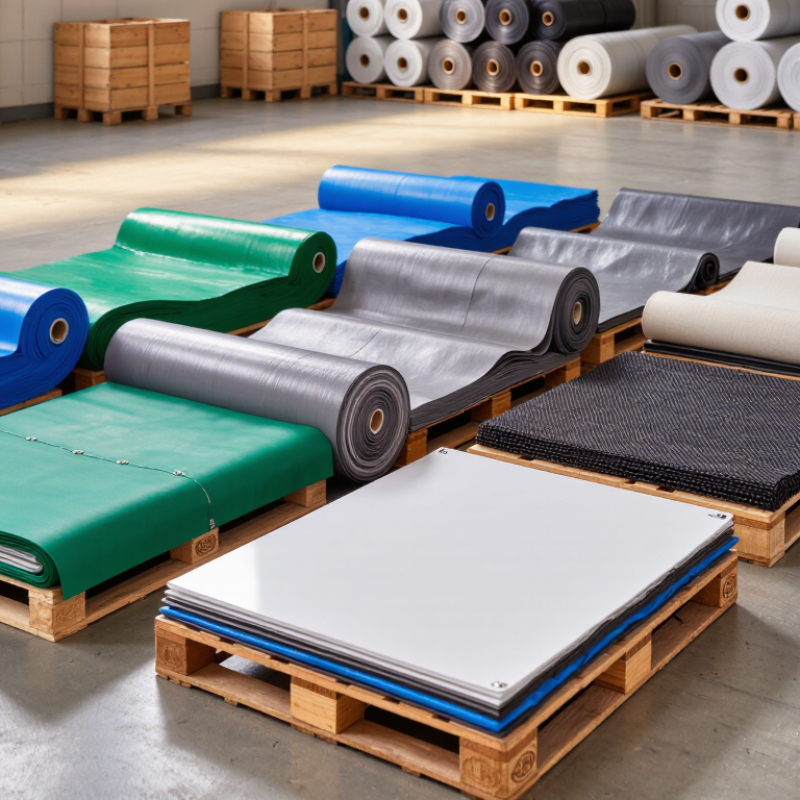
Choosing the 10 best tarpaulin sheets depends on weather, load, storage time, and handling conditions. PE tarpaulins are lightweight, waterproof, and affordable. They work well for temporary covers, garden equipment, and transport protection. However, thin PE can tear around sharp corners.
PVC tarpaulins offer stronger waterproofing and better abrasion resistance. They suit trucks, construction areas, and repeated outdoor use. Their heavier weight can make installation slower. Canvas feels more breathable and durable, especially for camping, machinery covers, and long-term storage. It may absorb moisture without proper treatment. Mesh tarpaulins allow airflow while blocking sunlight and reducing wind pressure. They are useful for fences, shade structures, and agricultural applications, but they cannot provide complete rain protection.
Tips: Check fabric thickness, reinforced edges, eyelet spacing, and seam quality before buying. Match the sheet size carefully. Extra material helps with secure fastening. Consider UV resistance for constant sunlight. In my experience, oversized sheets are not always better; loose fabric catches wind and stresses the eyelets. Samples can reveal stiffness, coating quality, and odor more reliably than photographs. Also, review packaging and measurement tolerances, because a listed size may differ slightly after folding or finishing.
Typical fabric-weight ranges by tarpaulin type, shown in grams per square metre (GSM)
PE tarpaulins are generally lightweight and economical, while PVC-coated sheets usually provide higher weight and stronger resistance for heavy-duty covering. Canvas offers a breathable natural-fibre option, and mesh tarpaulins are lighter because their open construction allows airflow. Actual GSM varies by coating, weave, thickness, and manufacturer specification.
Material weight changes practical performance. An 80–120 GSM polyethylene tarp is light, foldable, and suitable for temporary covers, garden furniture, or short-distance transport. At 150–300 GSM, PE sheets resist tearing better and handle repeated outdoor use. However, GSM is not the whole story. Weave density, lamination quality, eyelet spacing, and UV treatment also affect service life. A 2024 market analysis by IMARC Group identifies construction, agriculture, and transport as major tarpaulin applications, where different durability levels are required.
PVC tarps usually range from 500–900 GSM. Their heavier coating provides stronger waterproofing, abrasion resistance, and dimensional stability. A 500–650 GSM sheet may suit truck curtains, equipment covers, and temporary structures. The 700–900 GSM range is better for demanding industrial environments, though it becomes bulky and harder to install. ASTM D751 testing is useful for checking coated-fabric tensile strength, tear resistance, and coating adhesion. Ask for test results, not only marketing claims.
Details matter. Look for UV exposure data, weld strength, low-temperature flexibility, and reinforced corners. Reports from Grand View Research on plastic sheets also link higher performance requirements with infrastructure and agricultural growth. Still, a thicker tarp can fail early if water pools around weak eyelets. I would not choose 900 GSM automatically. It may be excessive for a seasonal cover, while 120 GSM PE may disappoint under constant sunlight. Selection should match load, climate, handling frequency, and expected replacement cost.
10 Best Tarpaulin Sheets for Buyers Worldwide?
Performance begins with tear strength, not thickness alone. ISO 4674-1 measures coated fabrics using trapezoid and tongue tear methods. For regular outdoor covers, buyers often seek tear results above 50 N. Heavy-duty applications may require more than 100 N, depending on fabric weight and reinforcement. These figures are practical buying benchmarks, not universal legal limits. A thick sheet can still tear at a poorly stitched corner.
UV resistance needs equal attention. ISO 4892-3 evaluates accelerated weathering with fluorescent UV lamps, while ASTM G154 uses controlled UV and condensation cycles. Strong test performance can slow fading, brittleness, and cracking, but it cannot predict every climate. Desert sunlight, coastal salt, and trapped heat may shorten service life. A rating without exposure hours is incomplete. That detail is easy to miss.
Waterproof claims should include a hydrostatic-pressure result. ISO 811 measures resistance in kilopascals, and EN 20811 uses a related pressure method. For many outdoor covers, a practical target is 1,500–3,000 mm water column. Higher values offer more protection during pooling rain, though seams may remain vulnerable. Check taped or heat-sealed seams. They often decide real-world performance. Testing data can also vary by laboratory, so buyers should request the test date, method, specimen direction, and conditioning procedure. I would not trust “100% waterproof” alone. It sounds useful, but it explains very little.
| Rank | Tarpaulin Type | Typical Construction | Weight (g/m²) | Tear Strength (N) | UV Resistance (1–5) | Waterproof Rating | Temperature Range | Best For |
|---|---|---|---|---|---|---|---|---|
| 1 | Heavy-Duty PVC-Coated Fabric | Woven polyester scrim with double-sided PVC coating | 550–900 | 150–250 | 5 / 5 | Hydrostatic head ≥2,000 mm | −30°C to 70°C | Truck covers, industrial storage, long-term outdoor use |
| 2 | Laminated Woven Polyethylene | High-density woven polyethylene with laminated surfaces | 180–300 | 90–160 | 4 / 5 | Hydrostatic head ≥1,500 mm | −20°C to 60°C | Construction materials, machinery, agricultural storage |
| 3 | Vinyl-Coated Polyester | Tightly woven polyester coated with flexible vinyl | 450–750 | 120–220 | 5 / 5 | Hydrostatic head ≥2,000 mm | −30°C to 65°C | Boat covers, outdoor curtains, commercial canopies |
| 4 | Canvas with Water-Repellent Finish | Heavy cotton or cotton-polyester canvas with surface treatment | 340–600 | 80–150 | 3 / 5 | Water-resistant; hydrostatic head 500–1,000 mm | −10°C to 55°C | Camping shelters, heritage vehicles, breathable covers |
| 5 | Reinforced Mesh Tarpaulin | PVC-coated mesh with open weave for airflow | 300–500 | 100–180 | 4 / 5 | Partial protection; not fully waterproof | −20°C to 60°C | Shade structures, windbreaks, debris containment |
| 6 | Silicone-Coated Nylon | Ripstop nylon impregnated or coated with silicone | 90–180 | 60–120 | 3 / 5 | Hydrostatic head 1,000–3,000 mm | −20°C to 50°C | Lightweight camping, emergency shelters, portable covers |
| 7 | Flame-Retardant PVC Tarpaulin | PVC-coated polyester treated for controlled flame spread | 500–900 | 130–230 | 4 / 5 | Hydrostatic head ≥2,000 mm | −30°C to 70°C | Event tents, industrial partitions, public-space shelters |
| 8 | Breathable Polypropylene Fabric | Spunbond or woven polypropylene with microporous structure | 100–180 | 50–100 | 3 / 5 | Water-resistant; hydrostatic head 800–1,500 mm | −15°C to 60°C | Lumber, hay, firewood, and agricultural ventilation covers |
| 9 | Recycled Polyester Tarpaulin | Recycled polyester scrim with coated waterproof surface | 250–500 | 80–160 | 4 / 5 | Hydrostatic head ≥1,500 mm | −20°C to 60°C | General outdoor covers and sustainability-focused projects |
| 10 | Lightweight Polyethylene Sheet | Low-density polyethylene film, optionally reinforced with scrim | 60–120 | 25–70 | 2–3 / 5 | Waterproof; hydrostatic head ≥1,000 mm | −10°C to 55°C | Short-term ground sheets, painting, moving, and temporary protection |
Note: Performance values are typical specification ranges for each construction type. Actual results vary by fabric denier, coating thickness, seam design, reinforcement, testing method, and exposure conditions.
Choosing a tarpaulin sheet requires more than checking thickness, color, and price. Compliance documents matter. EN 13501 classifies how a material reacts to fire, including flame spread, smoke, and droplets. Ask for a current test report that matches the exact fabric, coating, and construction. A certificate can look complete, yet miss the tested product.
REACH addresses chemical substances placed on the European market. Buyers should request information about restricted substances and substances of very high concern. RoHS mainly applies to electrical and electronic equipment, so it may not cover ordinary tarpaulins. It can still matter when a sheet forms part of an electrical product or supplied system. Requirements also differ across North America, Asia, Australia, and the Middle East. Local import rules should be checked.
Tips: Request batch traceability, test methods, laboratory details, and issue dates. Compare the report with the purchase specification. Do not rely on a generic “safe” claim. I have found that small wording differences can change the compliance meaning. Materials can also change after a coating formula is updated. That detail is easy to overlook. Confirm UV resistance, tensile strength, waterproofing, and fire performance under the intended climate. No single certificate proves worldwide compliance. A careful review is still necessary.
Choosing the ten best tarpaulin sheets depends on climate, service life, and budget. Grand View Research’s 2024 market assessment places the global tarpaulin market above USD 8 billion, with construction, agriculture, and transport among key uses. For hot, wet regions, 1) PVC-coated polyester ranks highest for waterproofing and abrasion resistance. 2) UV-stabilized polyethylene follows, offering lower cost and practical sun protection. 3) Heavy-duty woven polyethylene suits farms and building sites. 4) Fire-retardant PVC is valuable near regulated industrial work areas. Check certification carefully.
For snow, wind, and repeated handling, 5) reinforced ripstop polyethylene provides useful tear control. 6) Insulated tarpaulin reduces heat transfer around temporary storage. 7) Waterproof canvas feels breathable, but it needs maintenance and may absorb moisture. 8) Mesh tarpaulin works well for shade and airflow, not full rain protection.
ASTM D751 evaluates coated fabrics for tensile strength, tear strength, and hydrostatic resistance. Those tests matter more than glossy product descriptions. Cheap sheets often fail at eyelets first.
For short-term, cost-sensitive coverage, 9) light polyethylene offers the lowest purchase price. 10) Laminated woven tarpaulin gives a stronger middle ground. ISO 4892-3 addresses accelerated weathering for plastics, yet laboratory exposure cannot perfectly predict coastal salt, hail, or tropical storms. NOAA’s 1991–2020 Climate Normals can help buyers compare local heat and rainfall before choosing thickness.
I would not rank one sheet universally. A thick cover can still perform poorly when water pools on a weak frame.

© 2025 RWC. All Rights Reserved. | Privacy Policy | Contractor’s License Number: 13VH00710200 | Sitemap | Areas Served