How to Choose Acoustic Metal Panels for Optimal Sound Quality?
When selecting Acoustic Metal Panels, understanding their impact on sound quality is vital. These panels offer a blend of aesthetic appeal and functional performance, making them a popular choice in various spaces. The right acoustic metal panels can significantly enhance sound clarity while reducing unwanted noise.
For professionals, knowing how to choose these panels means considering several factors. You might think they all perform similarly, but this isn't true. Surface texture, thickness, and material properties play crucial roles. The wrong choice might lead to disappointing acoustics. Attention to detail is necessary.
Moreover, the installation process can affect performance. A perfect panel in the wrong spot won't help. Reflecting on your space's unique acoustic challenges is essential. Each environment demands careful consideration. Striking the right balance between aesthetics and sound quality is an ongoing conversation in the industry.
Understanding Acoustic Metal Panels and Their Functionality
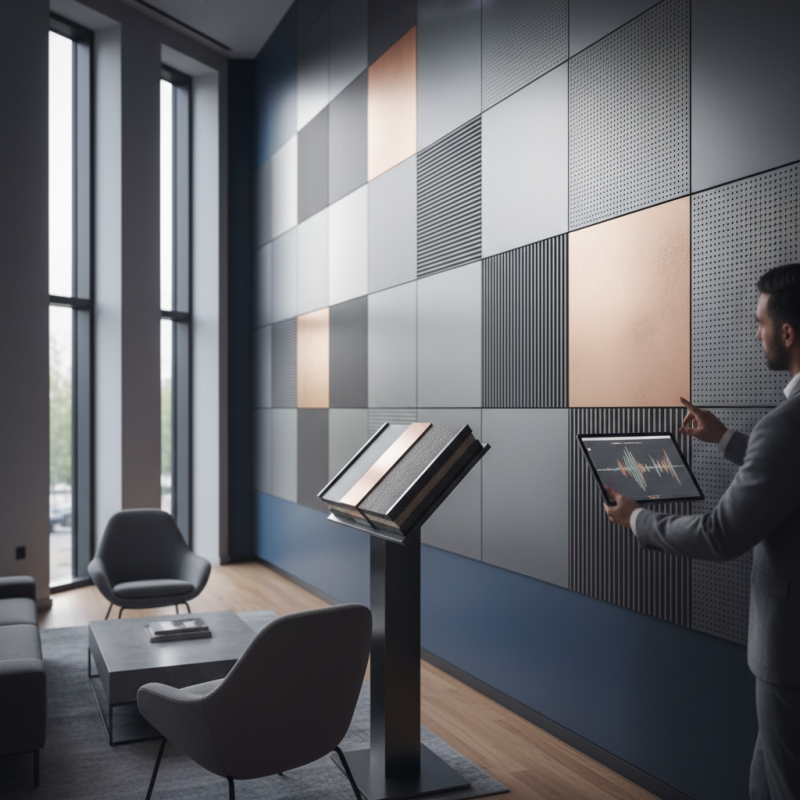
Acoustic metal panels play a crucial role in sound control within various environments. These panels are designed to absorb and reflect sound, enhancing both clarity and ambiance. When selected properly, they can significantly improve sound quality in places like auditoriums, offices, and studios.
Understanding their functionality is essential. Acoustic metal panels typically consist of perforated metal surfaces filled with sound-absorbing material. This structure helps reduce echoes and reverberations. The choice of material density and panel thickness will affect sound absorption rates. Consider the specific acoustic needs of your space when making selections.
Tips: Always test panel samples in your environment before finalizing your selection. This ensures you understand how they will interact with existing surfaces. Regular maintenance is key to retaining their effectiveness. Investigating reflective vs. absorptive qualities is crucial, as too many absorptive materials can lead to a dull sound. Seeking expert advice can also guide you in making better-informed choices.
Key Factors to Consider When Selecting Acoustic Metal Panels
Choosing acoustic metal panels requires careful consideration of various factors. The first is thickness. Thicker panels often provide better sound absorption. This can help reduce unwanted noise. Consider the density of the materials as well. Higher density generally means better performance in sound reduction.
The installation method plays a crucial role. Panels can be mounted directly or suspended. Each method affects sound quality differently. Acoustic panels should be placed strategically to maximize their effectiveness. Locations like corners or reflective surfaces are key areas to target.
Another factor is the finish of the panels. A textured surface can enhance sound absorption. However, this may not be visually appealing for all spaces. Balance the aesthetic needs with acoustic performance. Reflect on your specific environment. It’s essential to adapt panel selection based on unique sound characteristics.
How to Choose Acoustic Metal Panels for Optimal Sound Quality? - Key Factors to Consider When Selecting Acoustic Metal Panels
| Feature | Description | Importance |
| Material Type | Different metals (aluminum, steel) offer varying acoustic qualities. | High |
| Thickness | Thicker panels can absorb more sound and reduce noise. | High |
| Surface Finish | Matte finishes help diffuse sound better than glossy finishes. | Medium |
| Installation Method | Ensure the panels can be installed effectively for optimal performance. | High |
| Sound Absorption Coefficient | Measure of how well the panel absorbs sound frequencies. | Very High |
Types of Acoustic Metal Panels and Their Impact on Sound Quality
Acoustic metal panels come in various types, each influencing sound quality differently. Perforated panels, with their small holes, allow sound waves to pass through. This design decreases echo and enhances clarity. The material used also plays a crucial role. Aluminum, for example, is lightweight and durable, providing good sound absorption in larger spaces.
Solid metal panels, while effective in blocking noise, may create a harsher sound environment. They reflect sound, potentially leading to increased reverberation. Consider incorporating acoustic insulation behind solid panels to improve sound quality. Different finishes can also affect acoustics. A matte finish may absorb sound better than a glossy one.
Understanding the purpose of these panels is essential. If the goal is to control unwanted echoes, then perforated options can be beneficial. Experimentation may be necessary to find the right combination. A wrong choice could lead to over-enhanced sharpness or muddiness. Sound quality is subjective, and your testing should reflect the specific space and intended use.
Installation Tips for Maximizing Acoustic Performance
When installing acoustic metal panels, attention to detail can significantly enhance sound quality. Focus on room dimensions and existing acoustics. Every space has unique characteristics. Understanding these can guide you in choosing the right panel type and placement.
Begin with panel placement. Mounting panels on the walls and corners often yields the best results. Consider using a mix of thick and thin panels. Thicker material absorbs lower frequencies better, while thinner panels can tackle higher frequencies. Experiment with distances between panels to find the ideal arrangement.
Listening tests are vital during installation. As you place each panel, play different sound types. This will reveal how various frequencies interact with the room. Adjust the setup based on what you hear. Don’t hesitate to rearrange panels; iterations often lead to the best acoustic performance. Embrace the trial-and-error process for optimal results.
Maintenance and Care for Acoustic Metal Panels to Ensure Longevity
Proper maintenance of acoustic metal panels plays a crucial role in ensuring their longevity and effectiveness. Regular cleaning is essential to keep the panels functioning at their best. Dust and debris can dampen sound quality, leading to diminished performance. Use a soft cloth or a brush to gently remove particles. Be sure to avoid harsh chemicals that can damage the surface.
Humidity and temperature fluctuations can adversely affect acoustic panels. Search for an appropriate installation environment. Ideally, these panels should be in a climate-controlled space. If they do become warped or damaged, consider seeking professional help. Proper installation is just as important as maintenance. An expert can ensure that panels are fitted correctly, maximizing their sound-dampening capabilities.
Occasional inspection is wise. Look for signs of wear, such as rust or corrosion. These may indicate the need for repairs or replacement to maintain sound quality. Keeping an eye on these details helps retain optimal acoustics. Reflect on your usage patterns and adjust your upkeep routine accordingly. Regular maintenance habits lead to longer-lasting performance, enhancing the overall sound experience.
Acoustic Metal Panels: Sound Absorption Coefficients at Different Frequencies
This chart illustrates the sound absorption coefficients of acoustic metal panels across different frequencies. Higher coefficients indicate better sound absorption, which is critical for optimizing sound quality in various environments.