How to Choose the Best Garden Canopy for Your Needs?
Choosing the right Garden Canopy can significantly enhance your outdoor experience. A garden canopy provides shade and shelter, allowing you to enjoy your garden in various weather conditions. However, with numerous options available, it can be overwhelming to select the best one for your needs.
When assessing your requirements, consider the size and purpose of the canopy. Will it be used for small gatherings or larger events? The materials also play a critical role. Some canopies offer better UV protection, while others may be more durable against wind and rain. Each type has its pros and cons, which can lead to confusion.
Visualize how you want to use the space beneath your garden canopy. Picture family gatherings, barbecues, or peaceful reading moments. This clarity can guide your decision. Yet, it’s important to acknowledge that no canopy is perfect. Some may lack stability in high winds, while others may not provide adequate shade. Reflecting on these limitations will help you make a more informed choice.
Understanding Different Types of Garden Canopies Available in the Market
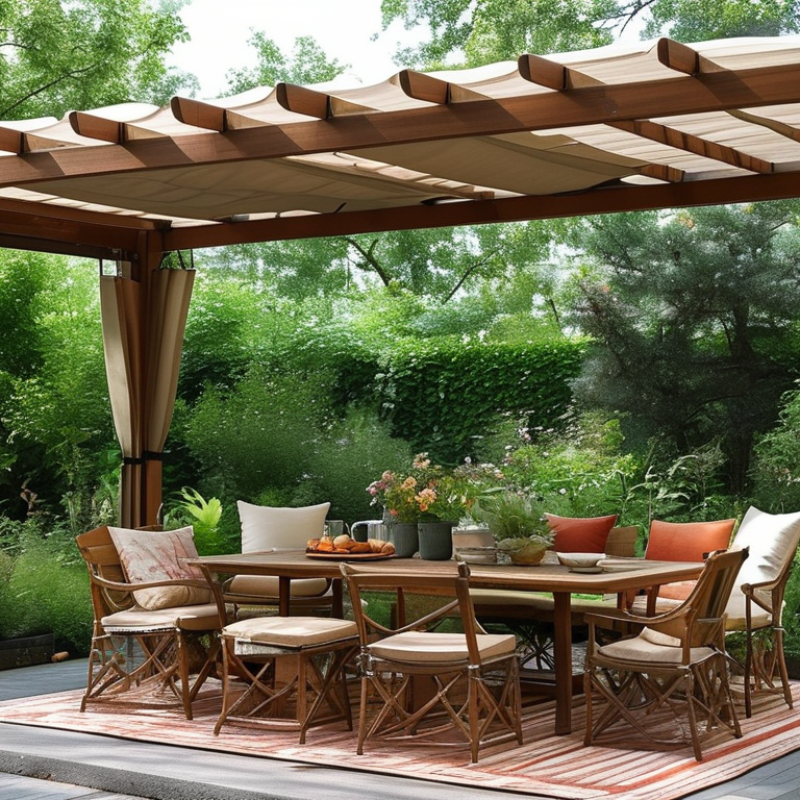
When selecting a garden canopy, understanding the various types available is crucial. Canopies can range from simple pop-up tents to more elaborate permanent structures. According to industry reports, retractable canopies are increasing in popularity, as they offer flexibility and easy storage. Over 50% of garden enthusiasts prefer these options for versatility in different weather conditions.
One must consider materials when choosing a canopy. Polyethylene and polyester are common choices, known for their durability and UV resistance. Studies show that canopies with UV protection can block up to 98% of harmful rays. This feature is essential for those who spend extended time outdoors.
The size and style of a canopy also matter. An oversized canopy might provide shade but can overwhelm a small garden. In contrast, a minimalist design can blend seamlessly into natural landscapes. It's vital to reflect on how the canopy will be used. Will it host gatherings or simply serve as a shelter? These details can significantly influence the choice. Many individuals overlook these aspects and later realize their canopy does not meet their expectations.
Assessing Your Garden's Size and Layout for Canopy Selection
When assessing your garden for the perfect canopy, consider its dimensions and layout carefully. Measure the length, width, and height of your garden space. This will help avoid a situation where the canopy overwhelms or underwhelms your area. A large canopy can create a cozy retreat, while a smaller one can provide neat shading for specific spots.
Examine existing structures too. Is there a patio, trees, or a shed nearby? These elements can influence the overall harmony of your garden. You might want to position the canopy near a seating area for convenience. However, if you place it too close to other structures, it could feel cramped. Think about how the sunlight moves across your garden during the day. A canopy is most effective when it complements your garden’s natural light.
Finally, play with shapes and designs. Rectangular canopies often suit long gardens, while round canopies can soften angular spaces. Don't hesitate to sketch different layouts on paper. Reflection on your choices is crucial. What feels right may not always be the best. Consider exploring various materials and styles; each can change the garden's vibe entirely. A well-placed canopy adds character but requires thoughtful evaluation.
Evaluating Material Durability and Weather Resistance Features
Choosing the right garden canopy involves evaluating material durability and weather resistance. Different materials offer varying levels of protection against the elements. Common options include polyester, canvas, and vinyl. Each has its pros and cons. Polyester is lightweight but may not withstand heavy rain. Canvas provides better durability but can be prone to mold if not properly maintained.
Consider the canopy’s weather resistance features. Look for fabric that is UV-resistant to protect against sun damage. Water-resistant coatings can keep the rain at bay. However, even the best materials can eventually wear out. It’s important to assess their longevity. Quality craftsmanship adds another layer of reliability. Seams should be double-stitched for extra strength.
Don’t overlook the frame material. Aluminum frames are rust-resistant and lightweight, ideal for easy setup. Steel provides sturdy support but can corrode without proper treatment. Reflect on your local climate. Extreme conditions may require more robust options. Balancing aesthetics, durability, and practicality is critical for long-term satisfaction.
Considerations for Design and Aesthetic Appeal in Canopy Choices
When selecting a garden canopy, aesthetic appeal is crucial. Research indicates that 75% of homeowners prioritize design when choosing outdoor products. A well-designed canopy enhances the overall look of your space. It can transform a bland garden into an inviting retreat.
Consider colors and materials that complement your outdoor decor. Neutral tones blend seamlessly with nature, while bright shades can create a lively atmosphere. Fabrics such as polyester and canvas are popular choices, offering durability and style. A study by the American Society of Landscape Architects found that attractive outdoor spaces increase property value by up to 20%.
Functionality shouldn’t overshadow design. You might find that a visually striking canopy does not provide enough shade. Be cautious; not all visually appealing designs are practical. Reflect on the balance between beauty and utility. Aim for a garden canopy that meets your needs while enhancing your outdoor experience.
Garden Canopy Features Comparison
Budgeting for Your Garden Canopy: Cost vs. Quality Factors
When budgeting for a garden canopy, cost and quality are key factors. A cheap canopy might look enticing at first. However, it may not withstand harsh weather conditions over time. Investing in a better-quality canopy can save you money in the long run. Higher-quality materials typically last longer and provide better protection against UV rays and rain.
Consider your usage when evaluating costs. If you plan to use your canopy frequently, opting for a more durable option is wise. Weigh the initial price versus the lifecycle cost. Some canopies require regular replacements, while others can endure for years. Look for customer reviews or expert recommendations. This can guide your choice while ensuring reliability.
Don’t forget to check warranty details. A good warranty suggests confidence in the product's durability. Reflect on your specific needs as well. Each garden is different, and what works for one may not suit another. Measure your available space and assess how the canopy style complements your garden layout. This attention to detail can significantly enhance your outdoor experience.