How to Choose Victorian Sash Windows for Your Home?
Choosing the right Victorian sash windows for your home can significantly enhance its charm and energy efficiency. According to industry reports, homes with such windows can experience up to a 30% increase in value. These windows are renowned for their classic design and functionality. They create a timeless appeal, making them popular choices for both renovations and new builds.
However, selecting the perfect Victorian sash windows is not always straightforward. Quality varies widely, and not all products will meet your expectations. Research indicates that nearly 25% of window replacements face unforeseen issues, leading to additional costs. It's crucial to weigh options thoughtfully, from materials to styles, and make an informed choice based on your specific needs.
Consider local climate and architectural style when choosing Victorian sash windows. This can greatly affect both aesthetics and performance. Poor choices may lead to drafts or a lack of insulation. Reflecting on your home's unique features will help you avoid these pitfalls and ensure a satisfying investment. Ultimately, these windows can be both beautiful and functional, provided you take the time to choose wisely.
Understanding the Characteristics of Victorian Sash Windows
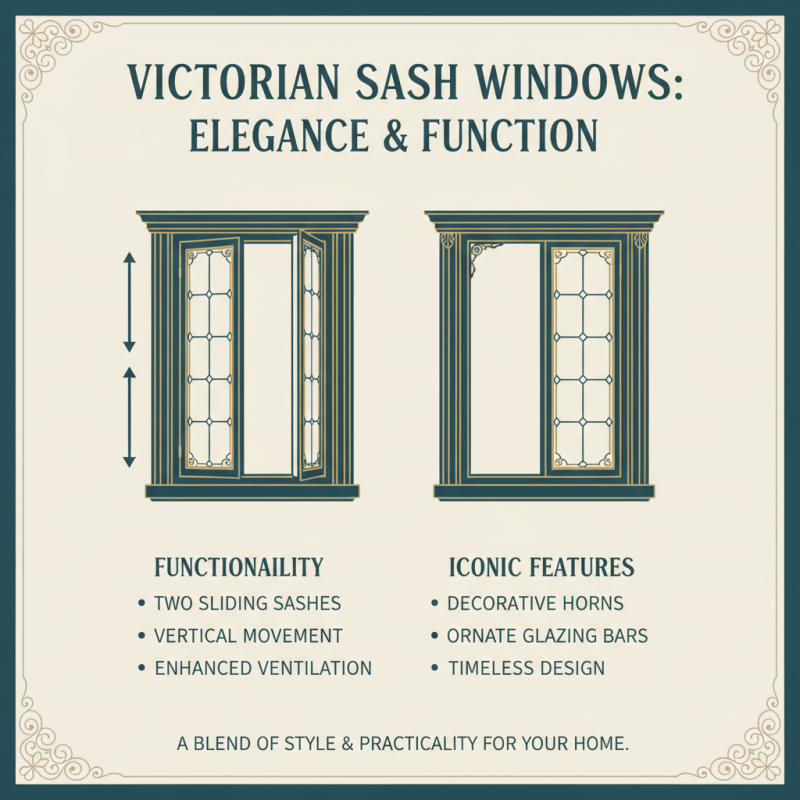
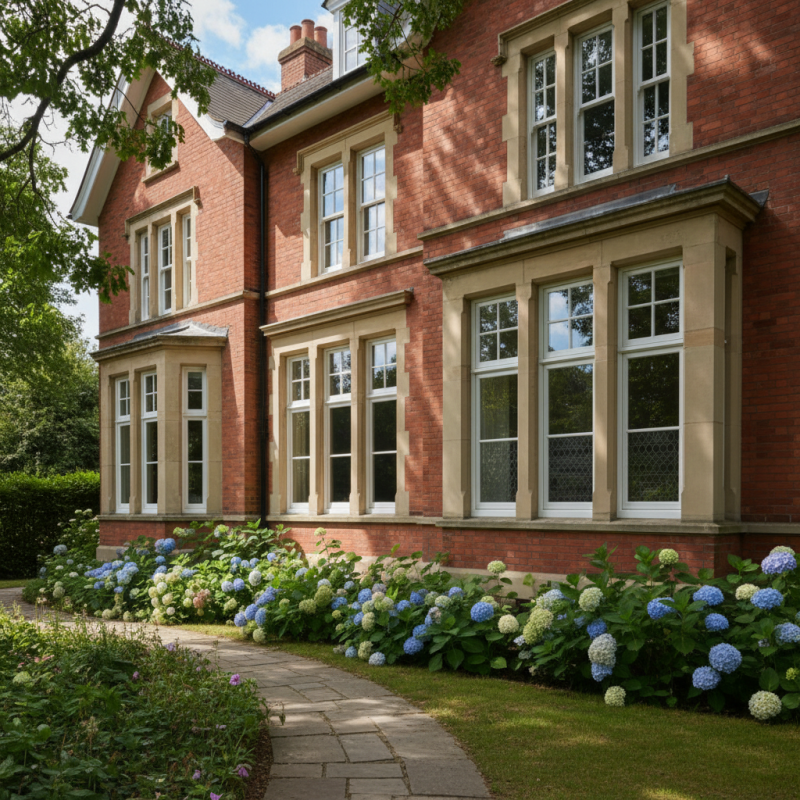
Victorian sash windows are iconic features of many homes. They offer a blend of elegance and functionality. Understanding their characteristics can help in making the right choice. These windows typically consist of two sliding sashes that move vertically. This design allows for better ventilation. They often come with original features, such as decorative horns or ornate glazing bars.
One striking aspect of Victorian sash windows is their craftsmanship. You will notice the attention to detail in the woodwork. However, older windows can be a challenge. They may require restoration or regular maintenance to keep them looking good. It's essential to inspect for rot or draftiness. A less perfect fit can lead to energy losses, which is something to consider.
When choosing these windows, think about the glass type. Single glazing might appear traditional, yet it offers limited insulation. Double glazing provides more energy efficiency. It’s important to balance aesthetic appeal with practical needs. Choosing the right material for the frames can also impact the overall look. Consider whether you'd like timber or a composite material. Each has its advantages and drawbacks.
Evaluating the Material Options for Sash Windows
When choosing Victorian sash windows, evaluating material options is crucial. Different materials have unique characteristics and benefits. Traditional timber is popular for its classic look. It provides natural insulation and can be painted or stained to match your home’s aesthetics.
However, wood requires maintenance to prevent rot and warping.
Another option is aluminum. This material is lightweight and resistant to weather changes. It offers a sleek appearance and requires less maintenance than wood.
Yet, some homeowners find aluminum less charming than timber. It can be cold to the touch, which might not suit everyone’s preferences.
uPVC is also a contender. It’s durable and energy-efficient, making it a practical choice. However, it might lack the historical authenticity that many desire.
Some people find it too modern for Victorian-style homes. When considering these options, weigh the pros and cons carefully. Take your time to evaluate what feels right for your space.
Determining the Right Style and Design Elements
Choosing the right style and design elements for Victorian sash windows can be challenging. You want them to enhance your home’s character. Begin by examining your home's architecture. Classic Victorian styles often feature intricate detailing. Look for patterns, colors, and materials that match your aesthetics.
Tips: Consider the color scheme of your home. Darker frames can provide a bold contrast against light-colored walls. If you prefer something more subtle, go for pastel hues. Don't overlook the style of window panes. Traditional designs have multiple small panes, while modern interpretations may have larger, single panes.
Incorporate unique design elements to create a personalized look. Think about adding decorative sash horns or ornate architraves. These features can elevate the overall appearance. Remember, you can mix and match styles. However, ensure they complement each other. Avoid forcing incompatible designs together. Reflect on your choices; sometimes, less is more. Adapt your selections based on how they resonate with your home's vibe, even if they aren’t conventionally perfect.
Choosing Victorian Sash Windows: Style and Design Elements
This chart illustrates the popularity of different styles and design elements of Victorian sash windows. The data reflects preferences, with traditional designs being the most popular among homeowners, followed by decorative styles and functionality considerations.
Assessing Energy Efficiency and Durability Features
When choosing Victorian sash windows, energy efficiency and durability should be top priorities. High-quality glazing can significantly reduce heat loss. Look for double or triple glazing options. These windows maintain indoor temperatures better. They also make homes more comfortable.
Tips: Check the U-value, which indicates thermal performance. The lower the U-value, the better the insulation. Frame materials matter too. Timber frames have natural insulation properties. However, they may require more maintenance.
Consider weatherproofing features. Look for sash windows with robust seals. They prevent drafts and water ingress. Examine the design for potential weaknesses. Small gaps can lead to energy loss. Reflect on your climate. It affects window efficiency. In warmer areas, you may need sun protection.
How to Choose Victorian Sash Windows for Your Home? - Assessing Energy Efficiency and Durability Features
| Feature |
Description |
Efficiency Rating |
Expected Lifespan |
| Material |
Wood, uPVC, Aluminum |
N/A |
Wood: 20-30 years; uPVC: 30+ years; Aluminum: 40+ years |
| Glazing |
Single, Double, or Triple Glazing |
Low-E glass: A+ rating |
15-25 years |
| Energy Efficiency |
Insulated frames and glazing options |
A to C ratings |
20-30 years |
| Durability |
Resistance to weather, rot, and impact |
N/A |
Wood: 20-30 years; uPVC: 30+ years; Aluminum: 40+ years |
| Maintenance |
Painting, cleaning, and inspection |
N/A |
N/A |
| Cost |
Initial investment and long-term savings |
N/A |
Varies by material |
Selecting a Reputable Manufacturer or Installation Service
When selecting a reputable manufacturer or installation service for Victorian sash windows, conduct thorough research. Look for companies with a solid track record. Check their reviews and testimonials. Speaking to past clients can provide insights into their reliability and craftsmanship. Be cautious of overly polished websites. Sometimes, a company that looks good online may not deliver quality service.
Meet with potential manufacturers or installers in person. Understand their experience with Victorian sash windows. Ask about their knowledge of materials and construction methods. A reliable service should be transparent about their process. They should also offer detailed quotes that outline costs clearly. If something seems off, or if communication is poor, consider this a red flag.
Evaluate their guarantees and warranties. These can be indicators of their confidence in their work. A good service will stand behind their products. Don't hesitate to ask about aftercare and maintenance advice. It’s essential to know how to care for your windows. Sometimes, the most famous names are not the best choice. Trust your instincts and choose a company that feels right for you.