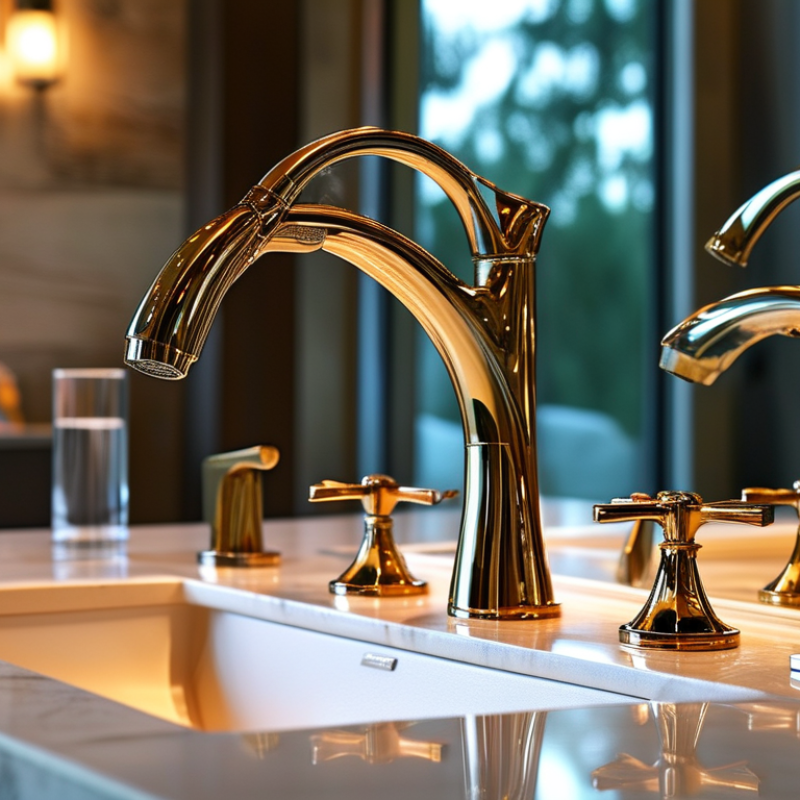
2026 How to Choose the Best Bathroom Faucets for Your Home?
Choosing the right Bathroom Faucets for your home is crucial. They impact both functionality and style. Bathroom faucets come in various designs and materials, making the selection process daunting. You want a faucet that complements your bathroom decor and meets your daily needs.
Consider how often you use your faucet. A frequently used faucet should be durable and easy to operate. Explore different styles that suit your taste. Modern designs often feature sleek lines, while traditional ones may include intricate details. Don't overlook practicality in your choices.
Research and evaluate different brands and models. Reviews from other consumers can guide your decision. Think about the installation process, as this can complicate your project if you’re not prepared. Remember that your choice should reflect your style and functional requirements. Aim for a balance between aesthetics and utility, which can be challenging but rewarding.
Factors to Consider When Choosing Bathroom Faucets
When selecting bathroom faucets, several key factors come into play. A recent study indicates that about 70% of homeowners prioritize design and aesthetics in their choices. The faucet's finish can dramatically affect the overall bathroom look. Popular options include chrome, brushed nickel, and oil-rubbed bronze. Each finish offers a unique style, so consider how it complements existing fixtures and decor.
Water efficiency is another critical factor. According to the Environmental Protection Agency, efficient faucets can reduce water usage by up to 30%. Look for models with the WaterSense label, which indicates water-saving technology without sacrificing performance. This not only helps the environment but also lowers water bills.
Lastly, ease of installation is worth considering. Many homeowners may choose to DIY the installation. However, some faucets require professional help. It's essential to evaluate your plumbing skills and available tools. Complicated installations can lead to leaks or other issues. Therefore, understanding the installation process can save you time and money in the long run.
2026 How to Choose the Best Bathroom Faucets for Your Home? - Factors to Consider When Choosing Bathroom Faucets
| Factor | Description | Importance Rating (1-5) |
| Material | Durability and resistance to corrosion, choose materials like brass or stainless steel. | 5 |
| Style | Design should match your bathroom décor - modern, classical, or transitional. | 4 |
| Finish | Choose a finish that resists stains and water spots, like chrome or brushed nickel. | 4 |
| Spout Height | Adjust according to your sink and usage; higher spouts are great for filling containers. | 3 |
| Water Flow Rate | Check for efficiency; a flow rate of 1.2 GPM is standard for reducing water use. | 5 |
| Ease of Installation | Consider if you need professional help or if it’s DIY friendly for easy installation. | 3 |
| Budget | Set a clear budget; quality faucets range from $50 to $500 based on features. | 4 |
Types of Bathroom Faucets and Their Features
Choosing the right bathroom faucet involves understanding the different types available and their unique features. The major types include single-handle, double-handle, wall-mounted, and vessel faucets. Single-handle faucets are popular for their ease of use. They allow quick temperature adjustments with just one hand. Many homeowners prefer double-handle designs for their classic look and precise temperature control.
Wall-mounted faucets create a sleek appearance. This type can free up space on the sink. They are ideal for modern bathrooms and can be paired with different sink styles. Vessel faucets stand tall above sinks, making a striking design statement. Their height accentuates the sink’s features and often includes a wide spout for better water flow.
When selecting a faucet, consider water efficiency. According to the U.S. Environmental Protection Agency (EPA), water-saving faucets can reduce water usage by approximately 30%. Installing aerators can also help conserve water while maintaining a strong flow.
Tip: Always check the faucet's flow rate before purchasing. This can have a significant impact on your water bills and eco-friendly goals.
Remember to assess your plumbing before making a choice. Some faucet types may require specific configurations. It's essential to prioritize compatibility with your existing setup to avoid costly repairs. Your bathroom's layout should inform your decision.
Material Options for Durability and Style
When selecting bathroom faucets, material plays a crucial role in both durability and aesthetics. Many homeowners are unaware that the choice of material can significantly impact the lifespan of the fixture. According to a recent report by the National Kitchen & Bath Association, faucets made from solid brass offer superior durability compared to cheaper materials. Brass faucets resist corrosion and withstand high levels of moisture, making them ideal for bathrooms. This makes them a preferred choice for long-term investment.
Another popular option is stainless steel. Known for its sleek appearance, stainless steel faucets can elevate any bathroom design. However, it's essential to choose faucets with a higher nickel content, as this enhances their resistance to tarnishing and rust. Research from the American Society of Plumbing Engineers shows that faucets utilizing high-quality stainless steel can last significantly longer than plastic counterparts, which may crack or discolor over time.
While aesthetics matter, function should not be overlooked. Faucets with ceramic disc cartridges tend to offer better performance and durability than traditional washers. Yet, many consumers may not realize that even high-end fixtures can falter if not properly maintained. Regular cleaning and inspections can prevent common issues, highlighting the importance of understanding material properties and their care requirements. Each material brings its own strengths and weaknesses, shaping the decision for the ideal faucet in your home.
Understanding Faucet Installation Requirements
When choosing bathroom faucets, installation requirements play a crucial role. Understanding your plumbing system is essential. You need to know the space available for the faucet and the sink configuration. This means measuring the distance between the holes. Different faucets require different setups. A single-hole faucet is easier to install, while a widespread design can be more complex.
Consider the water supply lines as well. They must align properly with the faucet. If they don't match, additional modifications may be necessary. This could involve cutting pipes or adjusting fittings. Such adjustments can become costly and time-consuming. Alongside this, your choice of materials affects installation. Some materials require special tools for fitting.
Take a moment to reflect on the entire process. Do you have the skills to handle the installation? If not, hiring a professional might be wise. It is okay to seek help. Mistakes during installation can lead to leaks and inefficiencies. Therefore, assessing your capabilities is vital before proceeding.
Budgeting for Bathroom Faucet Selection and Upgrades
When budgeting for bathroom faucet upgrades, understanding your options is essential. A basic faucet can start from a modest price. However, high-end designs often double the cost. Determine how much you're willing to invest before shopping. Look at the styles that fit your bathroom’s aesthetic. Trendy or classic designs will affect prices significantly.
Consider installation costs in your budget too. A complex faucet might require professional help, adding to your expenses. DIY installation can save money, but it needs skill. Measure the space available and review existing plumbing. This can help prevent unexpected costs. It’s easy to overlook these details, leading to financial surprises.
Ultimately, set aside extra funds for any additional fittings. Sometimes, a beautiful faucet might expose old plumbing issues. Factor in potential upgrades to ensure your budget covers these needs. Reflect on what features matter most, like water efficiency or ease of use. Prioritize accordingly, as it will help stabilize your expenses.
2026 Bathroom Faucet Selection Budget Analysis