What Are the Best Aluminum Exterior Storm Windows?
Choosing the best aluminum exterior storm windows is not simply a matter of selecting the thickest frame or lowest price. A good choice must suit the existing window, local weather, installation method, and homeowner’s expectations. The right storm window can reduce drafts, soften street noise, and protect older wood sash from rain. The wrong one may trap moisture, rattle during wind, or make cleaning unnecessarily difficult.
Building-science expert Joseph Lstiburek often reminds designers, “Windows are holes in the wall.” That short statement explains the challenge. Even a well-made window interrupts the wall’s insulation and air barrier. Aluminum exterior storm windows can improve this weak point when their frames fit tightly and their weep holes remain clear. Look for durable aluminum, secure fasteners, corrosion-resistant finishes, and glass or acrylic suited to the climate. Low-emissivity glass may improve comfort, but performance depends heavily on accurate measurements.
Practical evaluation matters. Check the window from indoors on a cold day. Notice moving air around the perimeter. Watch for condensation near the sill. Ask whether the storm panel can be removed without damaging historic trim. NFRC ratings can support comparison, but they do not replace careful installation. That is where many projects become less perfect than expected.
No single model fits every home. A coastal house needs different protection than a dry inland bungalow. Historic buildings may also require reversible attachments. This guide compares frame styles, glazing options, ventilation features, costs, and installation details, helping you choose aluminum exterior storm windows with fewer assumptions and better evidence.
What Are Aluminum Exterior Storm Windows?
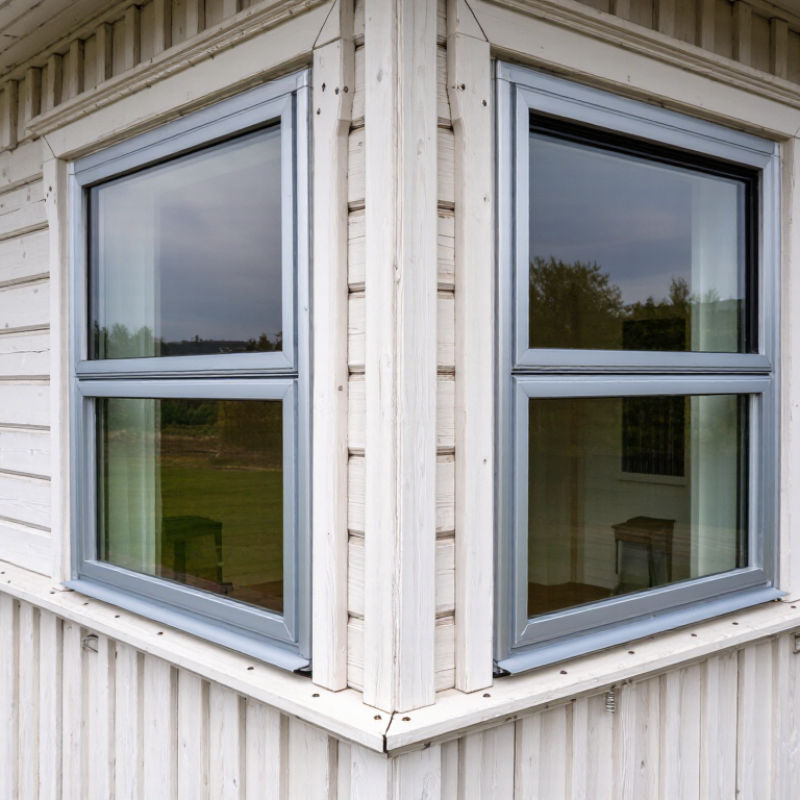
Aluminum exterior storm windows are secondary panels installed on the outside of existing windows. They usually have a lightweight aluminum frame, glass or clear plastic panels, and tracks or clips that hold them in place. They are not replacement windows. They add another layer between the room and outdoor conditions.
That extra layer can slow drafts and reduce rain reaching the original sash. In winter, the space between the storm window and the main window may also reduce heat loss. In summer, removable screens can let fresh air through while helping keep insects out. Small details matter. Check how the panels open, how the frame drains, and whether the unit fits your window’s shape. A poorly fitted frame can rattle in wind or leave gaps.
Aluminum frames resist rust, but the finish can wear over time, especially near salty air or standing moisture. Inspect corners, fasteners, and seals now and then. The terminology can be confusing: some storm windows are designed for seasonal use, while others stay installed year-round. Measure the existing frame carefully before choosing one; even a small mismatch may make installation awkward. And an extra window is not a cure for every draft. Leaky trim around the original opening may still need attention.
How Aluminum Storm Windows Work and Where They Are Used
What Are the Best Aluminum Exterior Storm Windows?
How Aluminum Storm Windows Work and Where They Are Used
Aluminum exterior storm windows add a second layer over existing windows. The space between the storm panel and the primary window slows heat transfer and can reduce drafts. Many models use sliding tracks, so panels open for ventilation or cleaning. Others have fixed panels or removable screens for warmer months. You’ll often see them on older homes, porches, and buildings where replacing original windows is impractical. They can also protect vulnerable wood windows from rain and wind. That gap matters. However, aluminum conducts heat readily, so frame design and fit affect comfort.
Tips: Measure the window opening at several points; older frames are rarely perfectly square. Check that weep holes remain clear, and inspect seals each season. A snug fit helps, but forcing a panel into a warped frame can cause binding.
For cold climates, look for frames with thermal breaks and glazing suited to local conditions. In mild areas, simpler panels may offer useful weather protection without adding much weight. Condensation can still form between layers, especially when indoor humidity is high or air leaks around the primary window. Ventilation and sound installation help, but results vary with the house. Aluminum storm windows are not a cure for every draft. Sometimes the original window needs repair first.
Which Features Define a High-Quality Storm Window?
A high-quality aluminum exterior storm window should fit snugly against the existing frame, with no obvious gaps at the corners. Good fit limits drafts and rattling. Look for a durable, corrosion-resistant finish, especially if the window will face rain or salty coastal air. Smooth, secure latches matter too; they should close the sash without forcing it. Small details count.
Tips: Check that weep holes remain clear so rainwater can drain. Test the window before purchase, if possible: open and close it, then inspect the seals and corners.
Glazing affects comfort and clarity. Some models use a single pane; others offer insulating glass or low-emissivity coatings. The right choice depends on your climate, budget, and existing windows. A thermal break in the aluminum frame can reduce heat transfer, though it cannot fix poor installation. Measure carefully, and follow the maker’s installation instructions. Even a solid window may underperform if the frame is out of square. No option is perfect: extra features can add cost, and aluminum can feel cold to the touch in winter. Check the details, not just the appearance.
What Defines a High-Quality Aluminum Exterior Storm Window?
Thermal breaks matter because aluminum conducts heat much more readily than common glazing and frame materials. Look for a thermally improved frame, tight weatherstripping, secure installation, effective drainage, and glazing suited to your climate.
Approximate material thermal conductivity (W/m·K). These are material properties, not whole-window energy ratings; actual values vary by material and product. Lower conductivity means less heat passes through the material.
How to Compare Energy Efficiency, Durability, and Maintenance
What Are the Best Aluminum Exterior Storm Windows?
Compare whole-window performance, not just glass claims. The U.S. Department of Energy’s Building America Solution Center says low-e storm windows may reduce heating and cooling costs by 10%–30%, depending on climate, installation, and existing windows. That range is not a guarantee. Check National Fenestration Rating Council (NFRC) ratings where available: a lower U-factor indicates less heat transfer, while the solar heat gain coefficient helps show how much solar heat enters. A sunny south-facing room may benefit from different performance choices than a shaded, wind-exposed wall.
Aluminum frames resist rot and can be slim, but aluminum conducts heat. Look for a thermal break and sturdy corner joints, then check that the sash closes evenly without binding. In coastal or wet locations, inspect the finish for scratches and early corrosion. Small details matter. I would not judge durability from frame material alone; coatings, drainage, and installation all affect service life.
For maintenance, choose removable or operable panels that let you reach the original window and clean the tracks. Wipe away grit before it wears the finish, and inspect seals each season for gaps or brittleness. DOE guidance emphasizes proper fitting because leakage can weaken expected energy savings. A well-rated unit still disappoints if air slips around its edges.
How to Choose the Best Aluminum Storm Windows for Your Home
Choosing aluminum exterior storm windows starts with fit, climate, and the condition of your existing windows. Measure each opening at several points; older frames are rarely perfectly square. Small gaps matter. Look for a snug frame, secure attachment, and clear drainage paths that let trapped moisture escape. Aluminum is durable and lightweight, but it conducts heat readily. A thermal break can reduce heat transfer through the frame, while a corrosion-resistant finish helps protect it from rain and salt air.
Glass matters too. Low-emissivity glazing can limit heat transfer while still admitting daylight. The U.S. Department of Energy reports that low-e storm windows can reduce heating and cooling costs by 12% to 33%; actual savings depend on the windows already installed. Check energy-performance ratings from the Attachments Energy Rating Council, where available, and compare products suited to your climate. A high rating cannot fix a poor fit. That is easy to overlook. Before buying, confirm the frame’s depth, opening direction, and compatibility with screens or exterior trim. In windy or exposed locations, ask a qualified installer whether the mounting method suits the opening. I would measure twice. A neat-looking frame can still leak.
What Are the Best Aluminum Exterior Storm Windows? — How to Choose the Best Aluminum Storm Windows for Your Home
| Storm Window Option |
Best Suited For |
Ventilation and Operation |
Potential Advantages |
Key Considerations |
| Two-track aluminum storm window |
Homes needing a straightforward, commonly available exterior storm-window design. |
Typically has movable glass panels and a screen section; available opening area depends on the specific layout. |
Provides an additional weather barrier and allows the primary window to be opened for ventilation when the storm-window panels are positioned appropriately. |
Check that the panel arrangement provides the airflow you want and that the frame fits the existing window opening. |
| Three-track aluminum storm window |
Rooms where flexible ventilation and convenient screen use are priorities. |
Usually has two movable glass panels and a movable screen, allowing the screen to be positioned over the open portion. |
Can allow a larger portion of the primary window to be opened for ventilation than some two-track configurations. |
More tracks and moving parts require periodic cleaning and inspection; confirm the operating design before ordering. |
| Fixed aluminum storm panel |
Windows that do not need to open, or locations where a simple, stationary exterior panel is appropriate. |
No routine opening or ventilation through the storm panel. |
Simple construction can suit openings where ventilation is not needed. |
It can limit access to the primary window, so consider cleaning, maintenance, and emergency egress requirements. |
| Low-emissivity (Low-E) glass option |
Homeowners seeking an additional way to reduce heat transfer through existing windows. |
Operation depends on whether the glass is installed in a two-track, three-track, or fixed unit. |
Low-E coatings are designed to reduce heat transfer; performance varies with the product and installation. |
Ask for product-specific performance information and confirm the coating is suitable for the existing window and local climate. |
| Custom-sized aluminum storm window |
Older homes or openings that do not match standard dimensions. |
Available operation depends on the selected style and the measured opening. |
A properly fitted unit can help reduce gaps around the storm-window frame. |
Accurate measurements and a sound mounting surface matter. Follow the maker’s measuring and installation instructions. |
| Selection tip: Compare frame fit, panel configuration, screen placement, glass options, maintenance needs, and product-specific performance information. A storm window supplements an existing window; results depend on the condition of both windows and the quality of installation. |