China Best Double Glazed Bay Window Manufacturers?

Choosing the best double glazed bay window manufacturer in China requires more than comparing catalog prices. A reliable supplier should demonstrate practical experience, stable production, and clear technical documentation. Buyers should examine frame materials, glass specifications, spacer systems, hardware, drainage design, and installation guidance. A bay window must perform well in real conditions, from winter drafts to heavy summer rain. Small details matter.

This guide focuses on manufacturers that can support residential, renovation, and larger construction projects. It considers factory capability, quality control, customization, export experience, and communication. Useful evidence may include sample testing, production photographs, inspection records, and project references. Ask how the supplier manages glass sealing, corner joints, color consistency, and packaging. A strong manufacturer should explain these processes clearly, not hide behind attractive brochures.

Performance claims still require careful review. No supplier is flawless. Even a polished sample may not represent every production batch. A thoughtful buyer should request independent verification where necessary. Check thermal values, acoustic performance, wind resistance, water tightness, and applicable regional standards. Installation also affects the final result, sometimes more than expected. This article highlights leading Chinese manufacturers while recognizing that the right choice depends on climate, building design, budget, and service expectations. The “best” option is not always the cheapest or the largest. It is the supplier that delivers suitable products consistently, communicates honestly, and responds responsibly when something needs correction.

China Best Double Glazed Bay Window Manufacturers?

What Are Double Glazed Bay Windows and How Do They Work?

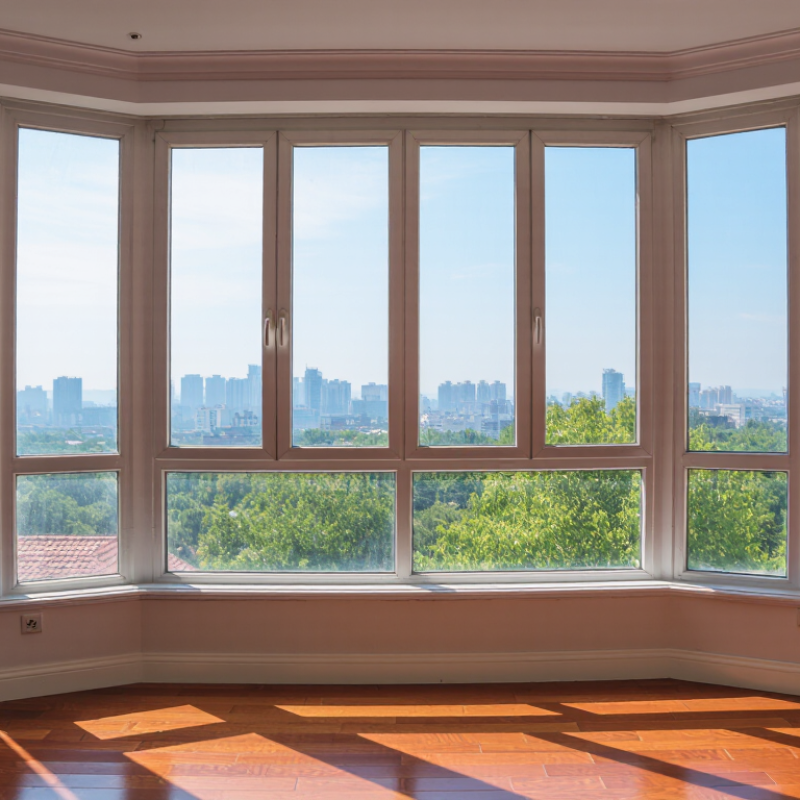
Double glazed bay windows project outward from a wall, creating a wider view and a small interior nook. Each glass unit contains two panes separated by a sealed gap. That gap usually contains dry air or an insulating gas. A spacer keeps the panes apart and reduces heat transfer around the edges.

The system works by slowing the movement of heat. In winter, the inner pane stays warmer, so rooms feel less chilly near the window. In summer, suitable glass coatings can limit unwanted solar heat. The sealed cavity also reduces outside noise, although traffic noise may still enter through frames, vents, or nearby walls. The bay structure needs strong support because several window sections meet at angled joints. Accurate surveying matters here.

In practical installations, I check the wall opening, sill condition, drainage paths, and frame alignment before fitting anything. Small measurement errors can cause difficult gaps. I have seen beautiful bay windows lose performance because the surrounding insulation was incomplete. This is often overlooked. A well-made unit can still underperform if the installation is rushed. Hardware quality, ventilation, and local climate should also influence the specification. Low-maintenance frames are convenient, but they are not maintenance-free. Seals still need inspection, especially after harsh weather.

Key Features of China’s Double Glazed Bay Window Manufacturers

China’s double glazed bay window manufacturers offer different strengths, so “best” depends on project requirements. Key features deserve closer inspection.

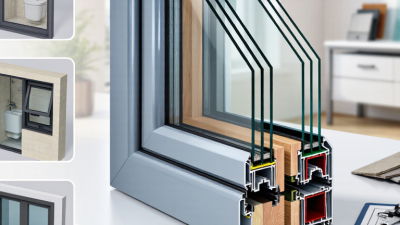
Reliable manufacturers usually provide low-E glass, argon filling, warm-edge spacers, and thermally broken frames. These details reduce heat transfer around wide bay window surfaces. Strong drainage channels help remove rainwater from lower corners. Multi-point locks improve security and reduce air leakage. Check the stated U-value, glass thickness, and wind-load data. Ask for independent test reports, not only factory brochures. Experienced teams can also review drawings, wall openings, hardware choices, and installation tolerances. That practical support often prevents expensive adjustments later. Yet a polished sample may hide weak corner joints or inconsistent powder coating. I have found that small production details matter more than impressive showroom displays. Perfect claims deserve questions.

Tips: Request a complete window sample before placing a large order. Test opening movement, seal alignment, drainage, and frame finish. Confirm whether measurements include installation gaps. Ask how defects are recorded and corrected. Review packaging photos and loading procedures. A low quotation may exclude screens, reinforcement, or site protection. Leave those points in writing.

China Best Double Glazed Bay Window Manufacturers? — Key Features of China’s Double Glazed Bay Window Manufacturers

How to read the chart: Lower U-values indicate better thermal insulation. The figures are indicative center-of-glass values commonly associated with double-glazed configurations: clear air-filled units, clear argon-filled units, and low-emissivity argon-filled units. Actual performance depends on glass thickness, spacer design, coating specification, frame construction, and installation quality. Values should be verified against EN 673 or ISO 10292 calculations for each project.

How to Compare China’s Leading Bay Window Suppliers

China Best Double Glazed Bay Window Manufacturers?

How to Compare China’s Leading Bay Window Suppliers

Comparing bay window suppliers requires more than checking catalogue photos. Begin with profile data: frame alloy, glass thickness, spacer type, hardware grade, and thermal performance reports. A credible factory provides traceable test documents, not screenshots with missing laboratory details.

Ask for a sample corner section. Inspect the welds, drainage slots, gasket compression, and locking action by hand. Open the sash repeatedly; rough movement often reveals weak machining. Request a physical color sample, because online finishes can hide texture differences. Experienced suppliers should explain U-values, air leakage, water resistance, and wind-load calculations for the project location.

Production control matters as much as design. Review incoming-material checks, glass sealing records, dimensional tolerances, and packaging photos before shipment. Confirm whether drawings receive engineer approval and whether replacement parts remain available. A useful supplier answers technical questions directly and flags unsuitable specifications. That honesty is valuable.

Do not compare price alone. Low quotations may exclude reinforced mullions, upgraded glass, or export-safe crating. Ask for a detailed quotation with Incoterms, lead time, warranty terms, inspection points, and installation guidance. Independent pre-shipment inspection can reduce unpleasant surprises, although it adds cost. I have seen polished samples fail because site measurements were rushed. That mistake is easy to repeat.

Quality Standards and Materials Used in Double Glazed Bay Windows

China Best Double Glazed Bay Window Manufacturers?

Quality Standards and Materials Used in Double Glazed Bay Windows

Choosing a Chinese double glazed bay window manufacturer requires more than comparing prices. The U.S. Department of Energy reports that windows can cause 25–30% of residential heating and cooling energy use. Good manufacturing therefore starts with measurable thermal performance, not attractive brochures. Ask for NFRC-style U-factor and solar heat gain coefficient data. Lower U-factor means better insulation. SHGC must suit the local climate.

A reliable unit should use two sealed glass panes, a durable spacer, and a low-conductivity gas fill. Argon is common. Low-emissivity coatings can reduce radiant heat transfer. EN 1279 and ASTM E2190 address insulating glass unit durability and seal performance. In China, buyers should also review compliance with GB/T 11944 for insulating glass. Check frame materials carefully. Thermally broken aluminum offers strength, while uPVC can reduce heat transfer effectively.

Details matter.

Factory quality control should include edge-deletion checks, sealant inspection, gas-fill verification, and water-penetration testing. The National Fenestration Rating Council explains that laboratory ratings help compare products consistently, but installation still affects real performance. A perfect laboratory result can fail beside a poorly sealed wall joint. I would also question unusually low prices. They may reflect thinner glass, weak hardware, or limited testing. No specification is perfect. Site exposure, drainage, wind load, and bay-window support must be reviewed before production.

China Best Double Glazed Bay Window Manufacturers? - Quality Standards and Materials Used in Double Glazed Bay Windows
Evaluation Dimension Recommended Quality Requirement Common Materials or Configuration Relevant Standard, Test Method, or Reference
Insulating Glass Unit Construction Two sealed glass panes with a continuous spacer and perimeter seal. The cavity should remain dry and free from visible condensation under normal service conditions. Double glazing with a typical cavity of approximately 12–20 mm, depending on the window design and gas-fill specification. EN 1279 series for insulating glass units; ASTM E2190 for insulating glass unit durability and performance.
Glass Type Glass should be selected according to thermal, solar-control, safety, acoustic, and daylight requirements rather than thickness alone. Annealed, heat-strengthened, tempered, laminated, or coated low-emissivity glass. ASTM C1036 covers flat glass; ASTM C1048 covers heat-treated flat glass; applicable local safety-glazing requirements should also be checked.
Low-E Coating A low-emissivity coating should reduce radiant heat transfer while maintaining the required visible light transmission and solar-control performance. Magnetron-sputtered soft-coat Low-E glass or pyrolytic hard-coat Low-E glass, normally positioned inside the sealed cavity. Performance is commonly assessed through whole-window thermal and solar calculations using ISO 10077, NFRC procedures, or equivalent national methods.
Gas Fill Where specified, the cavity should be filled with a stable insulating gas and checked for fill concentration during production or quality inspection. Argon is widely used; krypton may be selected for narrower cavities or specialized thermal designs. Gas-fill measurement and retention should be verified according to the applicable insulating-glass-unit testing procedure.
Spacer System The spacer should limit heat transfer at the glass edge and maintain a reliable seal over the expected service life. Warm-edge spacer made from stainless steel, polymer composite, or other thermally improved materials; desiccant is incorporated into the spacer system. Spacer and seal performance is evaluated as part of insulating glass unit durability and condensation-resistance testing.
Primary Seal A continuous primary seal should prevent moisture vapor and gas movement through the edge of the insulating glass unit. Polyisobutylene, commonly known as PIB, is frequently used as the primary vapor and gas seal. Seal continuity and insulating glass unit durability should be verified under EN 1279 or ASTM E2190 requirements.
Secondary Seal The secondary seal should provide structural support and improve resistance to moisture, air, and gas leakage. Two-part silicone, polysulfide, or polyurethane sealant, selected according to exposure, movement, and fabrication requirements. Sealant compatibility, adhesion, and durability should be confirmed for the specific glass, spacer, coating, and frame materials.
Frame Material Frames should provide adequate structural strength, drainage, weather resistance, and thermal separation at the required bay-window angles. Thermally broken aluminum, uPVC, engineered timber, or composite frames. Reinforcement may be required for larger projecting sections. Product performance may be assessed under EN 14351-1, AAMA/WDMA/CSA procedures, or the applicable regional window standard.
Thermal Transmittance Lower U-values indicate reduced heat transfer. The value should be reported for the complete window, not only the center of the glass. Typical high-performance double-glazed windows may achieve approximately 1.0–1.6 W/m²·K for whole-window U-value, depending on size, frame, spacer, and glass selection. ISO 10077-1 and ISO 10077-2; NFRC 100 or equivalent calculation and certification procedures. Actual results vary by design.
Solar Heat Gain Solar heat gain should be matched to the building orientation and climate. Lower values can reduce summer cooling loads, while higher values may benefit passive solar heating. Clear Low-E, solar-control Low-E, tinted glass, or spectrally selective coatings. Solar heat gain coefficient or g-value should be calculated or tested using the applicable regional fenestration method.
Air Leakage Low air leakage is important because bay windows include multiple frame junctions, opening vents, and angled connections. Continuous gaskets, properly compressed seals, mechanically secure corner joints, and accurately adjusted hardware. ASTM E283, EN 1026, or equivalent air-permeability testing method.
Water Tightness The assembly should resist water penetration during wind-driven rain testing, including at mullions, corners, sills, and roof interfaces. Sloped sill drainage, weep openings, end dams, sill pans, and sealed connection details. ASTM E331, EN 1027, or an equivalent static or dynamic water-tightness test.
Wind Load Resistance Projected bay-window sections should be engineered for the building location, exposure category, opening size, and fixing arrangement. Reinforced frame members, structural mullions, anchor brackets, steel or aluminum reinforcement, and engineered support below the projection. Structural design should follow the applicable building code and window product test standard, such as ASTM E330 or EN 12211.
Acoustic Performance Noise reduction depends on glass thickness, pane asymmetry, laminated interlayers, frame sealing, and installation quality. Asymmetric double glazing or acoustic laminated glass can improve sound insulation compared with two identical monolithic panes. Sound reduction is commonly reported as Rw, STC, or OITC according to the applicable acoustic test method.
Safety Glazing Glazing in hazardous locations, near doors, or below specified sill heights may require safety glass to reduce injury risk after breakage. Tempered glass or laminated safety glass, selected according to location and required post-breakage behavior. Applicable requirements may include ANSI Z97.1, CPSC 16 CFR 1201, EN 12600, or local building regulations.
Hardware and Operation Handles, hinges, locks, restrictors, and friction stays should be corrosion-resistant and rated for the sash weight and opening type. Stainless steel, zinc alloy, coated steel, or other tested hardware materials; multi-point locking is common for enhanced compression and security. Hardware should be cycle-tested and checked for compatibility with the selected frame, gasket, and sash configuration.
Installation Interface The bay-window unit should be correctly supported, plumbed, sealed, insulated, and mechanically fixed without transferring excessive load to the glass or frame. Low-expansion installation foam, backer rod, compatible sealant, flashing, sill pan, structural brackets, and corrosion-resistant fasteners. Installation should follow the approved system details, local building code, and recognized window-installation guidelines.
Quality Documentation A qualified supplier should provide product drawings, glass build-up, thermal data, test reports, installation instructions, and warranty terms. Technical data sheet, inspection records, batch identification, sealant compatibility confirmation, and maintenance instructions. Documentation should correspond to the supplied configuration and should not be substituted with test results from a different frame or glass system.

Note: Performance values are indicative reference ranges or evaluation principles. Final results depend on the complete bay-window configuration, dimensions, climate, installation method, and the testing or certification system used in the destination market.

How to Choose the Best Manufacturer for Your Project

China Best Double Glazed Bay Window Manufacturers?

How to Choose the Best Manufacturer for Your Project

Choosing a manufacturer should begin with performance, not a polished catalogue. The U.S. Department of Energy reports that windows may represent 25–30% of residential heating and cooling energy use. Ask for tested U-factor, solar heat gain coefficient, air leakage, and water resistance. These values should appear on recognized certification labels, such as those administered through the National Fenestration Rating Council.

A reliable factory should explain the complete bay window structure. Check the frame material, spacer type, low-emissivity coating, gas filling, glass thickness, and reinforcement. For large projecting units, request structural calculations and testing under applicable window standards, including water penetration and wind-load performance. Small details matter. A weak corner joint can create movement, drafts, or difficult sash operation after installation.

Visit the production line if possible. Inspect sealant application, corner welding, drainage paths, and packaging protection. Request recent test reports, quality records, installation drawings, and references for similar projects. Do not rely only on laboratory results. Site measurements, wall conditions, flashing, and installer skill can change real performance. This is where many selections become imperfect. I would also compare warranty exclusions carefully, because glass failure, hardware wear, and installation defects are not always covered. A capable manufacturer should answer these questions clearly and provide traceable documentation before receiving the final order.